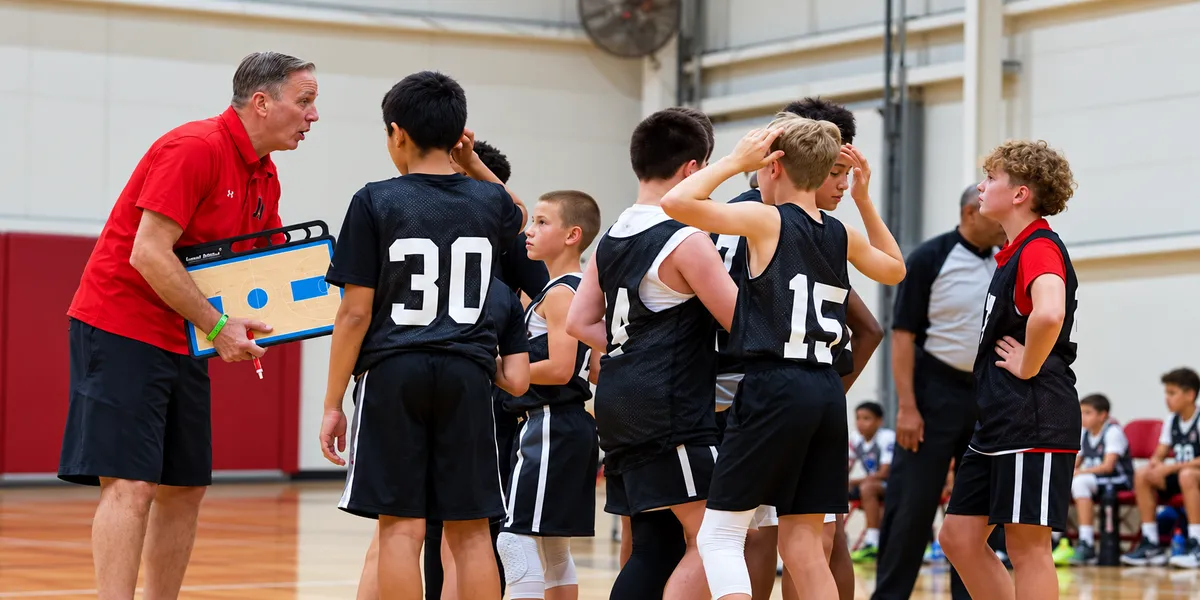
Youth Basketball Training That Prepares Players for Real Games
Ever watched a kid look great in practice and then disappear once the game starts? It happens all the time. They make every layup in the drill line, then a defender shows up and everything falls apart. That gap between practice and games is where most youth basketball programs lose players.
Good training closes that gap. It teaches young athletes to make decisions, handle pressure, and play hard on both ends when the scoreboard actually matters. If you're a parent or coach trying to help a player improve, this guide covers what game-ready training looks like and how to build it into every session.
Want Training That Carries Over to Real Games?
Explore Gibbons & Gibbons Academy programs built around skill development, decision-making, defense, and game application.
Explore Training ProgramsWhy Most Youth Basketball Practice Doesn't Carry Over
The problem usually isn't effort. Kids work hard. The problem is that a lot of practice time goes to drills with no defense, no decisions, and no consequences.
The Drill Line Trap
Picture a typical practice. Ten kids stand in a line, each one waits 45 seconds for a turn, then shoots an open layup. That's maybe a dozen reps in ten minutes, none of them against a defender. It looks organized, but it doesn't look like basketball.
Games are messy. Players have to read where teammates are, react to help defense, and finish through contact. If practice never asks for any of that, the game will feel like a different sport.
What Coaches Should Ask Instead
A better question for any drill is simple: "Does this look like something that happens in a game?" If the answer is no, add a defender, a decision, or a time limit. Small changes like that turn a static drill into real preparation.
The Core Skills Every Young Player Needs
Before kids can play fast, they need a foundation. Strong skill development at a young age makes everything easier later, from making a high school team to competing in college.
Footwork Comes First
Almost every move in basketball depends on footwork. A clean jump stop helps a player avoid traveling. A strong pivot creates space to pass. Good defensive slides keep a player in front of the ball. Young players who learn footwork early tend to look calmer and more balanced in games, because their feet are doing the work.
Ball Handling With Eyes Up
Plenty of kids can dribble while staring at the ball. Very few can dribble while watching the floor. Train ball handling with heads up from day one. Have a coach hold up fingers for players to call out, or point in a direction they have to attack. That habit pays off the first time they need to spot an open teammate.
Shooting Form That Holds Up
Shooting starts close to the basket. Kids should build proper form from a few feet away before stepping back. Once the motion is consistent, add game elements like shooting off the catch, shooting off one dribble, or shooting with a hand in their face.
A Quick Word on Age-Appropriate Equipment
Younger players often shoot with a full-size ball at a regulation hoop, and their form breaks down to compensate. Using a smaller ball and, when possible, a lower rim lets them practice the correct motion instead of heaving the ball.
Training Defense the Way Games Demand
Defense is where young players often get exposed in real games. It's also where the biggest improvements can happen with the right coaching.
Building a Defensive Stance
A good stance is low, balanced, and active. Feet wider than the shoulders, knees bent, hands ready. Kids get tired holding it, which is exactly why it needs regular practice. Short, intense defensive drills build the strength and habit to hold that stance late in games.
Team Defense Starts Young
Individual defense matters, but games are won by five players working together. That means teaching kids where to stand when their player doesn't have the ball, how to help a teammate who gets beat, and how to talk. Coaches who want help installing these habits often start with strategy consulting calls to map out a defensive system that fits their age group.
At Gibbons & Gibbons Academy, the emphasis on team defense comes from years of coaching at the college level and working with school programs nationwide. The lesson stays the same at every age: discipline and communication turn five individuals into one unit.
Communication Drills to Try
- Have every player call "ball" when guarding the dribbler.
- Require "help" calls from the weak side on every drive.
- Make players call out screens by name before they arrive.
Talking feels awkward to most kids at first. Make it a requirement, and it quickly becomes normal.
Adding Game Situations to Every Practice
Game situations are the bridge between skill work and real competition. They teach kids to think under pressure, which is the hardest part of the game to coach.
Small-Sided Games
Two-on-two and three-on-three games give every player more touches and more decisions than a full scrimmage. Everyone has to defend, everyone has to move, and nobody can hide in the corner. These formats also make it easier for coaches to spot mistakes and correct them in the moment.
Situational Scrimmages
Set up specific scenarios: down two with 30 seconds left, or inbounding from the sideline with five seconds on the clock. Players learn to stay calm because they've already been there. Group training sessions are a great setting for this type of work, since full teams can rehearse these moments together.
Preparing for Specific Opponents
As players get older, preparation starts to include the other team. Learning how game planning and scouting breaks down an opponent's habits teaches young athletes to think a step ahead instead of just reacting.
Build a More Complete Development Plan
Different players and teams need different kinds of support. Explore the training and strategy options available through Gibbons & Gibbons Academy.
Group & Team Training
Structured sessions focused on communication, competitive play, defensive execution, decision-making, and team habits.
View Group TrainingOne-on-One Personal Training
Individual coaching built around specific weaknesses, player goals, technical development, and real-time correction.
View Personal TrainingCoaching Calls & Strategy
Strategic support for coaches looking to improve structure, defensive systems, communication, and team preparation.
Explore Coaching StrategyGame Planning & Scouting
Opponent preparation and strategic analysis designed to help teams recognize tendencies and prepare more effectively.
Explore Game PlanningBalancing Individual and Team Work
Team practice is where kids learn to play together. Individual work is where specific weaknesses get fixed. Most young players benefit from both, and the right mix depends on the player. A kid who already understands team concepts might need more individual skill development, while a talented scorer might need more reps learning to defend and share the ball.
When One-on-One Coaching Helps
If a player struggles with something specific, like a hitch in the jump shot or a weak left hand, focused attention speeds things up. Personal training sessions let a coach watch every rep and adjust right away, which is hard to do with fifteen kids on the floor.
Keeping It Fun
Young players stay with the game when they enjoy it. Mix competition into everything. Keep score in shooting drills, reward hustle plays, and celebrate good defense as loudly as a made basket. Kids who love the game will put in extra work without being asked.
Choosing the Right Coaching
Look for coaches who teach the why behind each skill, not just the what. A good coach can explain why a closeout should be short and choppy or why a help defender stands with one foot in the paint. Reading about a program's coaching background gives you a clear sense of how they approach player growth.
The best youth basketball training doesn't look flashy. It looks like the game: defenders, decisions, and pressure, built up one practice at a time. Pick one idea from this guide and add it to your next session. Watch how quickly your players start to look the same on Saturday as they do on Tuesday.
FAQs
What age should kids start structured basketball training?
Most kids can begin basic training around age 7 or 8, focusing on fun, movement, and simple skills. More structured work usually makes sense around middle school, when players can handle longer sessions and more complex concepts. The key is matching the training to the child's age and attention span.
How often should young players practice?
Two to four sessions a week is a healthy range for most young athletes, including team practices. Rest days matter just as much, especially for growing bodies. Encourage kids to play other sports too, since that builds overall athleticism.
Should youth players focus on offense or defense?
Both, but defense often gets neglected. Teaching defensive habits early gives players a real advantage, because coaches at every level value players who compete on that end. Balanced training builds complete players.
Are small-sided games better than full scrimmages?
For younger players, small-sided games usually produce faster improvement. Each player touches the ball more often and makes more decisions. Full scrimmages are still useful for learning spacing and team concepts.
How can I tell if a training program is good?
Watch a session. Players should be moving most of the time, competing against defenders, and getting specific feedback from coaches. If kids spend more time standing in lines than playing, the program likely isn't preparing them for games.
How do I keep my child motivated to train?
Focus on progress instead of results, and celebrate effort as much as points. Let your child set small personal goals, like making ten left-handed layups in a row. Keeping the game fun is the most reliable way to keep them coming back.
