Why Defense Gets You on the Floor in College — And Why It Starts Before You Arrive
The Clock Starts Befor Day One
When a high school senior graduates at the end of May, they're often standing in a college gym by around June 5th and it's not a welcome tour. It's workouts. It's practice. It's a battle for a roster spot, beginning immediately.
Most families picture a gradual transition: dorm move-in, orientation week, early fall practices. The reality is nothing like that. The competitive window opens long before classes do and the players who are ready on arrival are the ones who earn minutes.
This is the truth that coaches who invest in proper defense strategies at the high school level understand. The habits installed today determine who plays and who watches next fall.
You Walk Into a Room Full of Veterans
When that freshman steps into their first college practice, they don't walk into a clean slate. They step into a gym where most of the roster already knows the system cold.
The terminology and play-call language
The rotations and help-side assignments
The coverages against every set the staff runs
The pace, the expectations, the culture
A freshman isn't just competing with talent. They're competing with experience and understanding baked in over years. That gap is real and it shows up fastest on the defensive end.
Why Man-to-Man Defense Is the Foundation
Regardless of the scheme a college program runs whether they pressure full-court, drop into a zone, or switch everything the foundation is always individual accountability. A player who can't guard their assignment in isolation can't be trusted in any system.
Mastering man-to-man defense at the high school level does something critical: it builds the instincts that make every other scheme easier to learn. When a player understands angles, denial, positioning, and on-ball pressure they're adaptable. They can slot into whatever a new coaching staff is running without starting from zero.
What Happens When You Arrive Unprepared
If a player shows up on campus lost defensively unsure where to rotate, how to guard actions, how to communicate off the ball that freshman year becomes a long, frustrating wait.
Not because they're not talented. Because they're behind. And college programs don't have time to wait while someone builds basic defensive habits from scratch. The offense will expose you. The coaching staff will notice. And the veterans will keep playing.
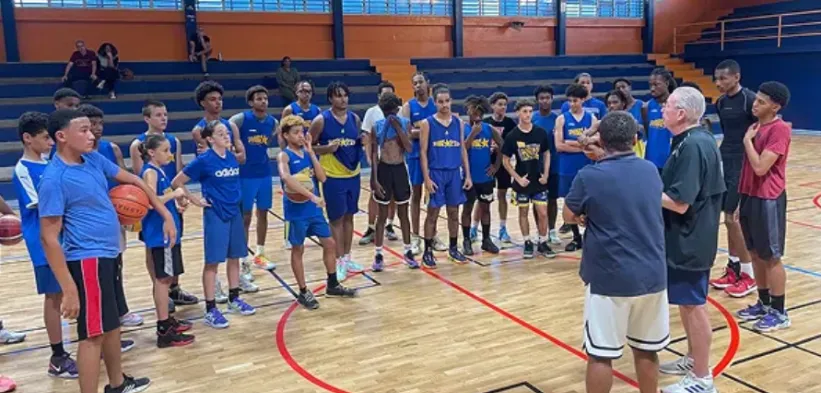
The players who compete in an intensity basketball camp environment during their development years where effort, communication, and defensive accountability are non-negotiable every day arrive differently. They've already been through the discomfort. College practice doesn't break them. It confirms them.
