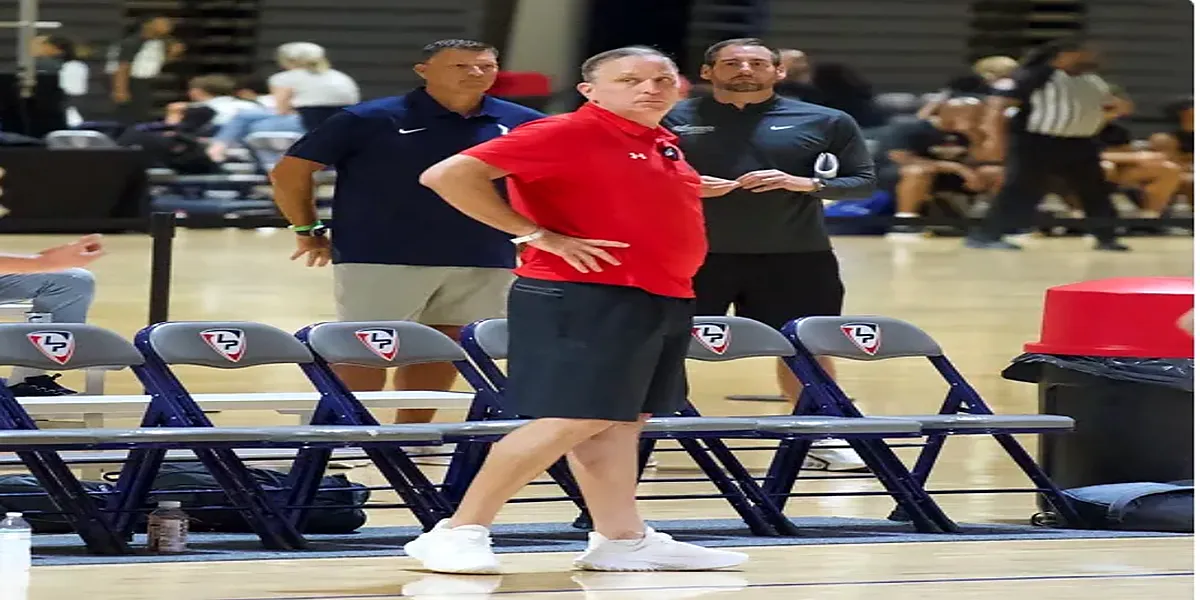
What to Expect From Personal Training With Coach Jay Gibbons
Booking your first session with a new coach can feel like a leap. You don’t know how the workout will run, what they’ll ask you to work on, or whether it’ll actually make you a better player. If you’re thinking about personal training with Coach Jay Gibbons, this guide clears that up. We’ll walk through who Coach Jay is, what happens in a typical session, how your plan gets built, and what kind of progress you can expect. By the end, you’ll know exactly what you’re walking into and how to get the most out of it.
Who Is Coach Jay Gibbons?
Before you step on the court with any trainer, it’s fair to ask what they’ve done. Coach Jay’s résumé is built on real college basketball experience, the kind that shapes how he teaches every drill.
A Career Built in College Basketball
Coach Jay spent 18 years coaching at the college level, including six years as an assistant at the University of South Carolina. That stretch included the 2017 NCAA Final Four run and an East Region championship. Before that, he spent time in the MEAC and was part of a 2012 conference championship team. You can read the full story on Coach Jay’s background and coaching history.
Experience Developing Pro-Level Players
Over his career, he has coached or trained five NBA players and roughly 30 pros who went on to play overseas or in the G-League. He also knows the game from the player’s side. He was a three-year starting point guard and all-conference selection at Florida Southern College and Clayton State University. That background matters, because he understands what it takes to compete when the game is moving fast.
Train One-on-One With Coach Jay
See how individual basketball training is structured and what to expect before your first session.
Explore One-on-One TrainingWhat Personal Training Actually Looks Like
Personal training with Coach Jay isn’t a generic workout with a basketball thrown in. Each session is built around you: your position, your habits, and the gaps that are holding you back.
Your First Session: The Evaluation
Your first visit is about getting a clear picture of where you are. Coach Jay watches how you move, how you handle the ball, and how you make decisions under pressure. He’ll ask about your goals, your role on your team, and what your coaches have been telling you.
Film and Goal Assessment
If you have game film, bring it. Coach Jay uses film review to spot patterns you might not notice in the moment, like a late closeout or a habit of picking up your dribble too early. Pairing what he sees on film with what you want to achieve is how your plan starts to take shape.
Don’t worry if you don’t have film or if your skills feel rusty. The evaluation isn’t a test you can fail. It’s simply a starting point, and it gives Coach Jay what he needs to make every later session count. It’s also your chance to ask questions and get comfortable before the real work begins.
Inside a Typical Workout
Once the evaluation is done, sessions get specific. Most run 60 or 90 minutes and blend several pieces of development into one focused workout.
What a Session Can Focus On
Each training plan is shaped around the athlete, position, and goals.
Skill Refinement
This is where the fundamentals get sharpened. Footwork, defensive stance, finishing, ball handling, and shooting mechanics all get attention, depending on what you need most. Coach Jay breaks each skill down, has you rep it, then adds pressure so it holds up in a real game.
Position-Specific Work
A point guard and a power forward don’t need the same workout. Your drills are matched to the spots you actually play and the reads you’ll face there. Guards might work on pick-and-roll decisions, while bigs focus on post footwork and defending the screen.
Athletic Conditioning
Conditioning is built into the work rather than tacked on at the end. Short bursts, quick changes of direction, and defensive slides keep your heart rate up while you’re still learning. The goal is to stay sharp in the fourth quarter, not just survive a sprint test.
Mental Preparation
Good players think the game. Coach Jay talks through situations with you, asks why you made certain choices, and helps you build a calmer, more confident approach to pressure moments. That mental side often separates players with similar talent.
Want Training That Matches Your Position?
Explore Coach Jay’s individual training setup for more focused development.
View Personal TrainingWhy One-on-One Training Speeds Up Development
In a team practice, a coach might have 15 players to watch. In one-on-one training, every rep, every correction, and every minute is about you.
Corrections in Real Time
Small mistakes are easy to miss in a crowded gym. With one-on-one training, Coach Jay catches them on the spot and fixes them before they become habits. A slightly wide stance or a lazy hand on defense gets corrected right away, and you rep it the right way until it sticks.
A Plan Built Around Your Goals
Some players want to earn more minutes. Others want to become a lockdown defender or get noticed by college coaches. Your training roadmap reflects that goal. If you’re aiming to play at the next level, the work can tie in with recruiting guidance for college-bound players, so your development and your exposure move forward together.
A Defense-First Mindset
The program is known for teaching defense the way college coaches expect it to be played. At Gibbons & Gibbons Academy, the philosophy is that great defense wins games, and that shows up in individual sessions too. Expect to leave with better footwork, sharper anticipation, and a clearer sense of how to guard your position.
Prepare Smarter for Your Next Matchup
Pair your training with game planning and scouting to understand how your skills fit a specific opponent.
Explore Game PlanningHow to Get the Most Out of Every Session
Training time is valuable. A little preparation on your end turns a good session into a great one.
Come Prepared
Show up rested, hydrated, and ready to move. Bring basketball shoes, water, and any film you want to review. If something specific has been bugging you in games, mention it at the start so Coach Jay can build it into the workout.
Track Your Progress
Keep a simple notebook or phone note after each session. Write down what you worked on, what clicked, and what still feels shaky. Over a few weeks, you’ll see clear patterns in your growth, and you’ll have better questions for your next session.
Stay Consistent Between Sessions
What you do between workouts matters as much as the workouts themselves. Coach Jay will usually leave you with drills to practice on your own. Players who put in that extra time tend to see changes faster, both in practice and in games. Some athletes also pair their sessions with game planning and scouting work before big matchups to put those new skills to use against a specific opponent.
Is Personal Training Right for You?
Personal training works best for players who know they want to improve and are willing to put in the reps. It’s a strong fit if you’re preparing for tryouts, trying to earn more playing time, coming back from a slow season, or aiming for college basketball. Middle school, high school, and college players can all benefit, since the work is adjusted to your level.
If you’re not sure where to start, the easiest step is a conversation. You can explore Coach Jay’s one-on-one training sessions to see how they’re set up, or get in touch with the coaching team to ask questions about scheduling and fit.
The right trainer won’t just run you through drills. He’ll show you why each rep matters and how it connects to winning games. That’s the kind of work that sticks with you long after the session ends.
Ready to Take the Next Step?
Start with one-on-one training and build a development plan around where you are now and where you want to go.
Start With Coach JayFAQs
1. How long is a personal training session with Coach Jay?
Sessions typically run 60 or 90 minutes. Longer sessions leave more room for film review and extended skill work. Coach Jay can help you decide which length fits your goals.
2. What happens during the first session?
Your first session starts with an evaluation. Coach Jay looks at your movement, skills, and decision-making, and talks through your goals. That information shapes your training plan going forward.
3. Do I need to bring game film?
It isn’t required, but it helps a lot. Film lets Coach Jay spot habits and patterns that are hard to see during a live workout. Bring whatever footage you have, even short phone clips.
4. What age groups does Coach Jay train?
He works with middle school, high school, and college players. Drills and intensity are adjusted to each athlete’s age and skill level. Younger players focus more on fundamentals, while older players dig deeper into game reads.
5. How many sessions will it take to see improvement?
Most players notice small changes within a few sessions, especially in footwork and confidence. Bigger gains come from consistent training over several weeks. Practicing assigned drills between sessions speeds things up.
6. Is personal training only focused on defense?
No. Defense is a major strength of the program, but sessions also cover ball handling, shooting, finishing, conditioning, and mental preparation. Your workout is shaped around whatever you need most.
