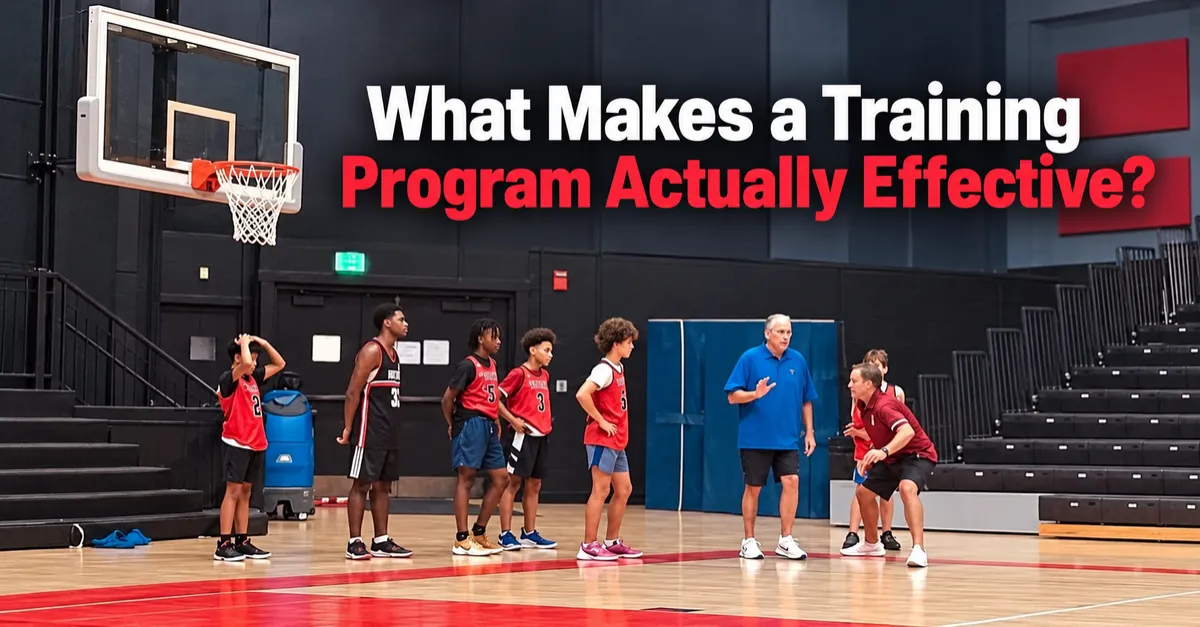
What Makes a Training Program Actually Effective?
Not all training programs deliver the same results, even when they cover the same material. Two people can sit through nearly identical curriculums and walk away with completely different outcomes - one transformed, the other barely changed. The difference almost always comes down to a handful of factors that separate a genuinely effective program from one that just fills time. Understanding what those factors are can save you months of wasted effort and help you actually reach the goals you set out to achieve.
Compare Personal and Group Training
See how different training formats can support skill development, accountability, and long-term progress.
Explore Training Services →What Defines an Effective Training Program?
An effective training program is one that produces measurable, lasting change in the person going through it - whether that's improved strength, better skill execution, or a stronger foundation of knowledge. It's not just about showing up and going through the motions. A truly effective program is built around clear goals, a logical progression, and enough individual attention to catch problems before they become habits.
Why So Many Programs Fall Short
Generic programs pulled from a template often fail because they don't account for the person's starting point, goals, or limitations. A one-size-fits-all approach might work reasonably well for the average participant, but it rarely produces exceptional results for anyone in particular. The best training programs are built around the individual or group they're actually serving, not a hypothetical average.
Core Elements of a High-Quality Training Program
Every strong training program, regardless of the field, tends to share a handful of common building blocks.
Clear, Measurable Goals
Before any real training begins, there needs to be a specific target - not a vague sense of "getting better," but a defined outcome with a timeline attached. Programs with clear benchmarks give both the instructor and the participant a way to track real progress rather than relying on how things feel.
Structured Progression
Skills and abilities build on each other, so an effective program sequences its content logically, introducing complexity only once the fundamentals are solid. Jumping ahead too quickly is one of the most common reasons people plateau or get discouraged early on.
Built-In Assessment Points
Regular check-ins - whether that's a skills test, a progress review, or simple observation - let an instructor adjust the plan before small issues turn into bigger setbacks. Programs without these checkpoints tend to drift, often continuing well past the point where they're still serving the participant's actual needs.
Qualified, Attentive Instruction
The person delivering the training matters as much as the curriculum itself. An instructor who understands not just the material but how to read a participant's form, energy, and understanding in real time can catch issues that a script or video course simply can't.
Personal and Group Training: Two Paths to the Same Goal
Effective training doesn't only come in one format. Personal and group training each offer distinct advantages, and the right choice often depends on the individual's goals, personality, and budget.
The Case for Group Training
Group settings bring built-in accountability, a sense of shared effort, and often a lower cost per session than individual instruction. For people who are motivated by community and friendly competition, a well-run group program can produce outstanding consistency and long-term adherence.
The Case for One on One Personal Training
One on one personal training allows the entire session to be built around a single person's needs, pace, and goals, with immediate correction and constant attention. This level of customization tends to accelerate progress, particularly for people working through a specific limitation, recovering from an injury, or chasing an ambitious, specific target.
Blending Both Approaches
Some of the most effective training programs combine the two, using group sessions for volume and camaraderie while layering in periodic one on one personal training to fine-tune technique or address individual sticking points. This hybrid model gives participants the best of both worlds without requiring a full commitment to either format alone.
Explore One-on-One Personal Training
Learn how individualized coaching can focus on specific goals, technique, weaknesses, and measurable progression.
View One-on-One Training →How to Evaluate a Training Program Before Committing
With so many options available, it helps to know what separates a program worth your time from one that isn't.
Instructor Credentials and Experience
Look for instructors with relevant certifications and a track record of working with people in similar situations to your own. Experience handling a range of skill levels and challenges tends to produce more adaptable, effective coaching than a purely theoretical background.
Customization and Flexibility
A quality program should be willing to adjust based on how a participant is actually responding, not rigidly stick to a predetermined script regardless of results. If a program can't flex around your progress or setbacks, it's unlikely to serve you well over the long run.
Real Outcomes, Not Just Promises
Ask for specific examples of results other participants have achieved, and be wary of vague marketing language that doesn't translate into anything concrete. A program confident in its methods should have no trouble pointing to real, measurable outcomes.
Explore Group & Team Training
See how structured group sessions can combine coaching, repetition, accountability, and shared development.
Explore Group Training →Why the Right Program Structure Matters Long-Term
Training programs aren't just about the immediate session - they're an investment in a longer trajectory of improvement. A poorly structured program can lead to wasted time, frustration, or even injury, while a well-designed one builds momentum that compounds over months and years. At Gibbons & Gibbons Academy, the emphasis has always been on building programs around the person rather than forcing the person to fit the program, whether that means a fully personalized one on one plan or a group setting built for shared accountability and growth. Getting that structure right from the start makes the difference between a program people stick with and one they abandon after a few weeks.
Choosing between personal and group training, or a blend of both, ultimately comes down to what will keep you engaged and progressing consistently. The most effective training programs are the ones tailored closely enough to actual goals and circumstances that showing up stops feeling like a chore and starts feeling like real progress.
Explore Coaching Strategy Sessions
Add another layer of support with strategy, planning, and detailed coaching conversations around performance and development.
Explore Coaching Strategy →FAQs
1. Is one on one personal training worth the extra cost compared to group sessions?
It depends on your goals and how much individualized attention you need to progress effectively. For people working through specific limitations or pursuing ambitious targets, the faster progress and constant correction often justify the higher price, while others do just as well in a group setting at a lower cost.
2. How long does it typically take to see results from a training program?
Most people begin to notice measurable changes within four to eight weeks of consistent participation, though this varies based on the goal and starting point. Programs with clear benchmarks make it easier to track this progress objectively rather than relying on how things feel day to day.
3. Can group training be just as effective as personal training?
Yes, for many goals, especially those centered on general fitness, skill-building, or consistency, group training can be highly effective, particularly when the group size stays small enough for the instructor to give real attention to each participant. The built-in accountability and social motivation of group settings often boosts long-term adherence.
4. What should I look for in a training program if I'm a complete beginner?
Beginners benefit most from programs with a clear, gradual progression and an instructor who prioritizes proper form and foundational skills over speed. Avoid programs that push advanced techniques too early, since this often leads to frustration or injury.
5. How often should a training program be reassessed or adjusted?
Most effective programs include some form of check-in every few weeks to review progress and adjust the plan as needed. Waiting too long between assessments can mean continuing with an approach that's no longer serving the participant's current needs.
6. Can personal and group training be combined in one overall plan?
Yes, many people find success blending the two, using group sessions for volume and consistency while adding periodic one on one personal training to address specific technique issues or plateaus. This hybrid approach can offer strong results without the full cost of an all-personal training plan.
