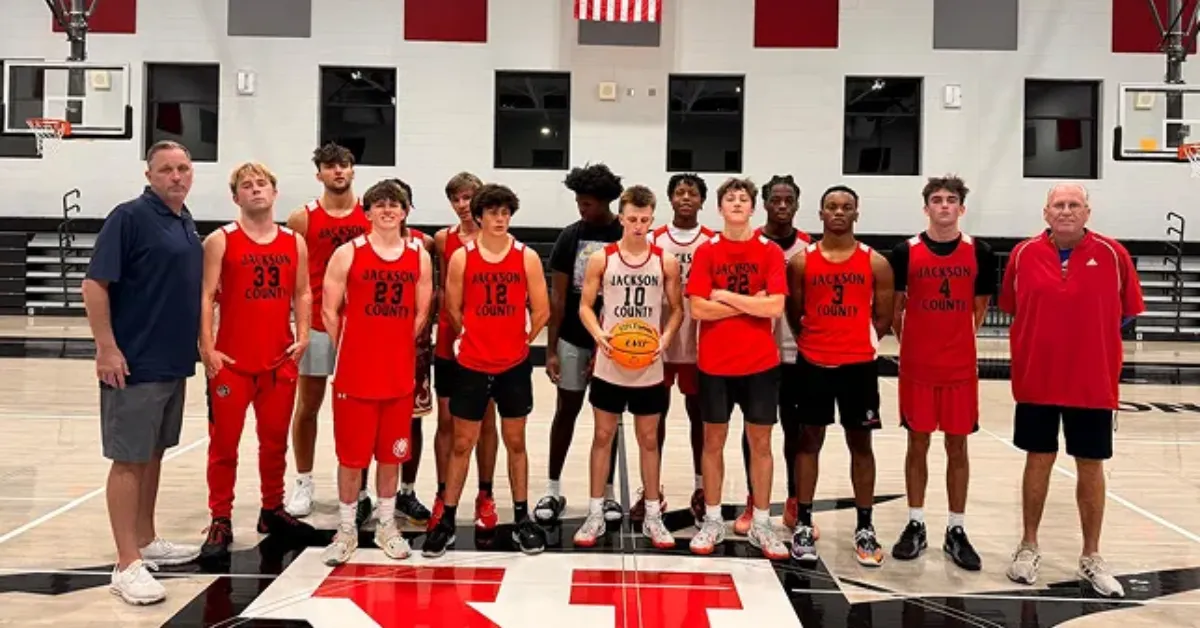
Group Fitness Classes: What They Are & Who They're For
If you've ever watched a team drill through defensive rotations in perfect sync, you've seen the payoff of group fitness classes done right. In a basketball setting, group fitness classes aren't just a room full of players doing the same workout - they're a shared training experience where athletes push each other, learn together, and build the kind of chemistry that shows up on game night. Whether you're a parent looking for a way to keep your kid engaged over the off-season or a player who trains better with teammates around, group fitness classes offer something solo workouts can't replicate: competition, accountability, and energy.
There's also a practical side to this. Coaches can install real team defensive concepts far more effectively when there's a full group on the floor, and players tend to learn faster when they're watching a teammate get corrected right in front of them. It's one thing to hear a coach explain a closeout in theory; it's another to see a peer get it wrong, adjust, and get it right on the next rep.
What Group Fitness Classes Actually Look Like
Picture a gym floor split into stations - one group working on closeouts, another on transition sprints, a third running through screen navigation. That's a typical group training session in action. Coaches rotate players through drills designed to build both conditioning and basketball IQ at the same time, so nobody's standing around waiting for a turn. You can get a feel for how these sessions are structured by looking at the group training programs offered for teams and small groups, which blend conditioning, footwork, and live defensive reps into a single practice.
The pace tends to be higher than a one-on-one session simply because there's more happening at once. Players feed off each other's effort. A tired athlete who might ease up during a solo workout will usually dig in when a teammate is grinding next to them. That's not a coincidence - it's how group training is designed to work.
Who Group Fitness Classes Are Really For
Group fitness classes work well for a wide range of players, but they shine brightest with athletes who are motivated by competition and camaraderie. Middle schoolers and high schoolers who play on a team already understand the value of shared reps - they're used to running drills alongside teammates, so a group setting feels familiar rather than intimidating.
They're also a smart fit for players who want structured, semi-guided reps without the higher cost of one-on-one time. If you've been weighing personal training against something more team-oriented, group classes give you skilled coaching at a lower price point while still delivering real technical correction. And for teams looking to install a defensive system rather than just run conditioning, the group format is often the only way to practice concepts like help-side rotations or closing out on shooters - you genuinely need other bodies on the floor to make those drills work.
Parents of younger athletes often like group classes because kids stay engaged longer in a group setting. There's less standing around, more built-in encouragement, and a natural sense of accountability that comes from training next to peers.
There's a social component too that shouldn't be underestimated. Players who train together often end up pushing each other outside of scheduled sessions - texting about upcoming games, comparing notes on what a coach corrected, or just showing up more consistently because they know someone else is expecting them there. That kind of built-in accountability is hard to manufacture in a solo workout, no matter how motivated the player is on their own.
What to Expect From a Typical Session
Most group sessions open with a dynamic warm-up, move into skill stations, and close with live competitive drills - things like 3-on-3 defensive scrimmages or shell drill reps against a scout offense. Coaches will usually call out corrections in real time rather than stopping the whole group, which keeps the energy up and the reps flowing. At Gibbons & Gibbons Academy, sessions are built around installing real defensive habits rather than just running players through generic conditioning circuits, so the drills tend to carry over directly into game situations.
If your team is preparing for a specific opponent, some group sessions can even be tailored around scouting information, which pairs well with the kind of game planning and scouting support available for teams that want a deeper strategic edge heading into a big matchup.
Coaches also tend to use group sessions to reinforce communication on the floor - calling out screens, talking through switches, and holding each other accountable when a rotation breaks down. Those are habits that are almost impossible to build in isolation, since communication only means something when there's someone else there to hear it and respond.
How Group Training Fits Into a Bigger Development Plan
Group fitness classes don't have to be the only thing on a player's training calendar - they work best as one piece of a larger plan. A player might do group sessions twice a week for conditioning and live reps, then supplement with individual skill work or film study on their own time. Coaches who run coaching strategy sessions often recommend this kind of layered approach, especially for players trying to fix a specific weakness while still getting the benefits of team-based training.
The key is matching the training format to the goal. If the goal is conditioning, communication, and live-game habits, group classes deliver. If the goal is fixing one very specific mechanical issue, that usually calls for more individualized attention. A good program uses both.
Getting Started With Group Training
The best way to figure out if group fitness classes are the right fit is to try a session and see how your player responds. Some athletes thrive on the energy and competition; others need a bit more one-on-one attention before they're ready to perform in a group setting. Either way, a quick conversation with a coach can help map out a plan. You can reach out directly to ask about upcoming session times, group sizes, and what a first class typically looks like.
It's also worth asking what age groups and skill levels a given session is built for. A group of varsity players preparing for a playoff run needs a different pace than a group of middle schoolers just learning defensive stance for the first time, and a good program will be upfront about which sessions fit which stage of development.
Group training isn't about doing more - it's about doing the right kind of work, together. When it's structured well, it builds conditioning, sharpens IQ, and creates the kind of team chemistry that's hard to fake. And for most players, that combination of effort, competition, and camaraderie ends up being the difference between a workout that gets skipped and one they actually look forward to.
Frequently Asked Questions
1. How many players are typically in a group fitness class?
Group sizes vary by session, but most are kept small enough that every player gets individual attention from a coach. Smaller groups allow for more real-time correction, while larger sessions tend to focus more on conditioning and team concepts.
2. Is group training only for players already on a team?
No. While group classes work well for existing teams, they're also open to individual players looking to train alongside others at a similar skill level. Coaches typically group athletes by age and ability to keep sessions competitive and useful for everyone involved.
3. How is group training different from a basketball camp?
Camps are usually short, intensive events run over a few days, while group fitness classes are ongoing sessions that build skills progressively over weeks or months. Group classes allow for more consistent tracking of a player's improvement over time.
4. Can group fitness classes help with basketball-specific conditioning?
Yes, and that's often the primary focus. Sessions typically combine footwork drills, transition sprints, and live defensive reps, which condition players in ways that are directly transferable to actual game situations rather than generic cardio work.
5. What should a player bring to their first group session?
Basketball shoes, workout clothes, water, and a willingness to compete are really all that's needed. Coaches will walk new players through drills and expectations before the group gets into more advanced work.
6. How often should a player attend group training sessions?
Two sessions per week is a common starting point for players who want to build conditioning and defensive habits without overloading their schedule. From there, frequency can be adjusted based on the athlete's goals and how the season is shaping up.
