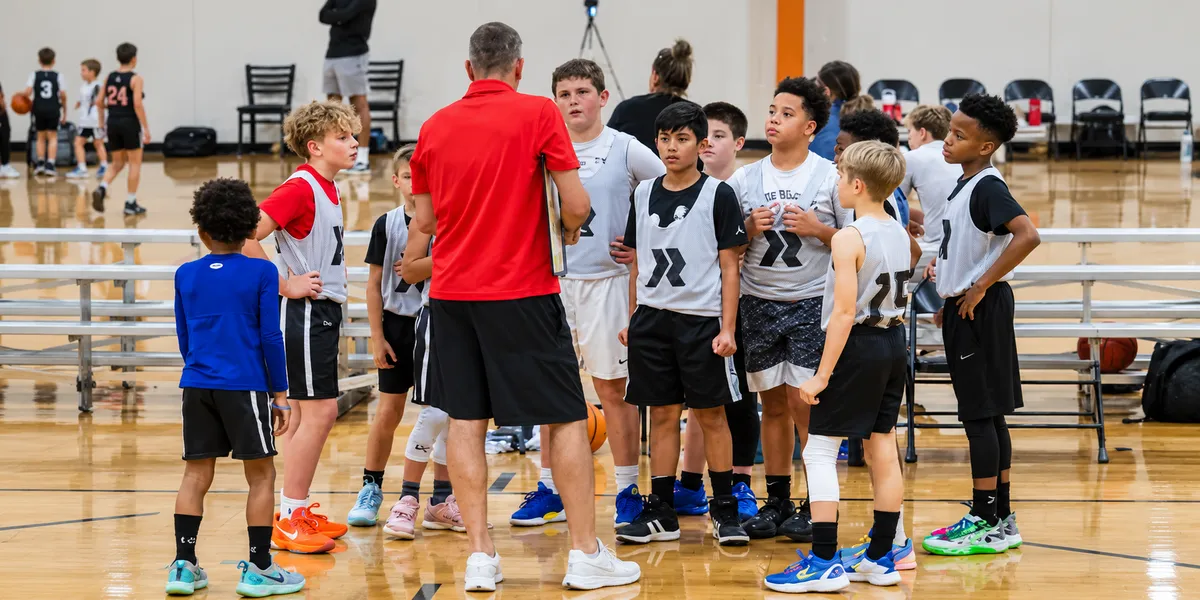
Top Benefits of Group Fitness Classes for Young Athletes
Ask any coach what separates a good young player from a great one, and you’ll rarely hear “raw talent” first. You’ll hear about effort, communication, and how a kid responds when the drill gets hard. That’s exactly where group fitness classes earn their place. When young athletes train side by side, they push harder, learn faster, and pick up habits that a solo workout can’t always teach.
If you’re a parent or coach weighing your options, this guide walks through the biggest benefits, what a well-run session looks like, and how to pick the right program for your athlete.
Why Group Fitness Classes Work So Well for Young Athletes
Young athletes are wired to compete and connect. Put a 14-year-old on a treadmill alone and you might get 20 minutes of half-hearted jogging. Put that same kid in a gym with eight teammates running a timed defensive slide drill, and suddenly every rep matters.
The Energy of Training Together
Group settings create a natural buzz. Players feed off each other’s intensity, celebrate small wins, and keep moving when they’d otherwise slow down. For younger athletes especially, that shared energy makes hard work feel less like a chore and more like part of the team culture.
Structure Without Boredom
A good group session has a plan, a clock, and a coach keeping things moving. There’s less standing around and more purposeful work, which is exactly what developing athletes need.
Explore Group Training at Gibbons Academy
See how structured group sessions combine skill development, communication, conditioning, and competitive game situations.
Explore Group TrainingThe Top Benefits of Group Training for Young Athletes
Every program is a little different, but the strongest group training setups tend to deliver the same core benefits. Here are the ones that matter most.
1. Stronger Communication Skills
Basketball is a talking game, and most young players don’t talk nearly enough. In a group setting, they’re forced to call out screens, switches, and help-side rotations in real time.
Talking on Defense
Defensive communication is one of the hardest habits to build and one of the easiest to lose. Training in a group gives players dozens of live reps where they have to say “ball,” “help,” or “switch” out loud. Over time, it stops feeling awkward and starts feeling automatic. That carries straight into games.
2. Higher Effort Through Healthy Competition
Nobody wants to finish last in a sprint or get scored on in front of their friends. That bit of friendly pressure pushes young athletes to give more than they would on their own. Coaches can use competitive scoring, small-sided games, and timed challenges to bring out effort without turning practice into a pressure cooker.
3. Faster Learning by Watching Teammates
Kids learn a ton by watching. When a teammate nails a closeout or slides perfectly through a screen, the rest of the group sees what “right” looks like. They also see common mistakes and the corrections that fix them. It’s like getting extra coaching without extra time on the clock.
4. Game-Like Conditioning
Running laps builds fitness, but it doesn’t look much like a real game. Group work that mixes short bursts, quick changes of direction, and recovery periods prepares players for the actual rhythm of competition. Well-designed group training and team sessions blend conditioning with skill work, so players get fitter while sharpening the habits they’ll use on the court.
5. Accountability and Consistency
It’s easy to skip a solo workout. It’s a lot harder to skip when your teammates and coach expect you to show up. That built-in accountability helps young athletes stay consistent, and consistency is what turns effort into real progress over a season.
6. Confidence and Social Growth
Group settings help quieter players find their voice. They learn to encourage others, take coaching in front of peers, and bounce back after mistakes. Those lessons travel well beyond the gym and into the classroom, the locker room, and everyday life.
How Coaches Structure an Effective Group Session
Knowing what a strong session looks like helps you spot a quality program. Most good group fitness classes for athletes follow a similar flow.
Warm-Up and Movement Prep
Sessions usually open with a dynamic warm-up: skips, lunges, lateral shuffles, and mobility work. This gets bodies ready, lowers injury risk, and sets the tone for focused work.
Skill Stations
Next, players rotate through stations that target specific skills, such as stance and footwork, closeouts, or ball pressure. Small groups at each station mean more reps and more feedback from coaches.
Live Competitive Reps
The best sessions end with live play. Think 2-on-2 or 3-on-3 defensive drills, shell drills, or situational scrimmages. This is where habits get tested under pressure. Some teams even shape these reps around an upcoming opponent, which pairs well with game planning and scouting sessions built for a specific matchup.
Turn Film Into a Better Game Plan
Give your team a clearer approach to upcoming opponents with focused scouting and game strategy support.
Explore Game Planning & ScoutingWhen to Pair Group Classes With Individual Work
Group training covers a lot of ground, but it isn’t the answer to everything. If a player has one specific weakness, like poor footwork on closeouts or a slow first step, focused individual attention can fix it faster.
The smartest development plans mix both. A young athlete might attend group sessions two or three times a week for conditioning, communication, and live reps, then add a weekly session of one-on-one personal training to tighten up technical details. The group work builds the habits, and the individual work refines them.
This layered approach also helps prevent burnout. Variety keeps training fresh, and players stay motivated when they can see progress in both settings.
Work on the Details Holding Your Athlete Back
Personal training gives players focused coaching on individual skills, decision making, conditioning, and technical development.
Explore Personal TrainingChoosing the Right Group Fitness Classes for Your Athlete
Not every program is a good fit for every young player. Before signing up, take a few minutes to ask the right questions.
Questions to Ask Before Signing Up
What Is the Coach-to-Player Ratio?
Smaller groups mean more individual corrections. If one coach is running a gym of 30 kids, your athlete may get very little direct feedback.
How Are Players Grouped by Age and Skill?
A middle schooler learning a defensive stance for the first time needs a different pace than a varsity player preparing for playoffs. Good programs group athletes so everyone is challenged without being overwhelmed.
Is the Training Sport-Specific?
General fitness has its place, but young athletes get more out of sessions designed around their sport. Look for programs that connect conditioning to real game situations.
What Is the Coaching Background?
Experience matters. Programs led by coaches who have worked at the high school and college levels tend to bring a clearer system and better teaching. At Gibbons & Gibbons Academy, for example, the focus is on building disciplined team defense through communication and accountability, and you can learn more about the coaching background behind the program before committing.
Once you’ve found a program that checks these boxes, the next step is simple. Reach out to the coaching staff to ask about session times, group sizes, and what a first visit looks like. A quick conversation can tell you a lot about whether the fit is right.
The right group setting can shape how a young athlete trains, competes, and carries themselves for years. Pick a program with a clear plan, strong coaching, and a culture of effort, then let the work speak for itself.
Talk With the Gibbons Academy Coaching Team
Ask about group sizes, training options, player development, team sessions, and the best starting point for your athlete.
Contact the Coaching TeamFAQs
1. What age is best to start group fitness classes?
Most athletes can benefit from structured group sessions starting around middle school. At that age, players are ready to follow a plan, take coaching, and compete in drills. Younger kids can join too, as long as the session is built around fun, movement, and basic skills.
2. How often should young athletes attend group training?
Two to three sessions per week works well for most players during the off-season or preseason. That frequency builds consistency without crowding out rest and recovery. During the competitive season, one session a week can help maintain habits.
3. Are group sessions safe for beginners?
Yes, as long as the program groups players by skill level and coaches emphasize proper technique. A good warm-up and clear instruction keep beginners safe while they learn. Parents should ask how new players are introduced to the drills.
4. Will group training help my child make the team?
It can improve the qualities coaches look for during tryouts, like effort, communication, and conditioning. No program can guarantee a roster spot, but consistent training gives players a real edge. Showing up prepared and confident goes a long way.
5. How is group training different from team practice?
Team practice is usually focused on running plays and preparing for upcoming games. Group training sessions zero in on individual habits and fundamentals in a team setting. Many athletes use both to round out their development.
6. Can coaches attend sessions with their players?
Many programs welcome coaches and encourage them to participate. It’s a great way for coaches to learn new teaching methods and bring them back to their own practices. Ask the program directly about their policy before booking.
