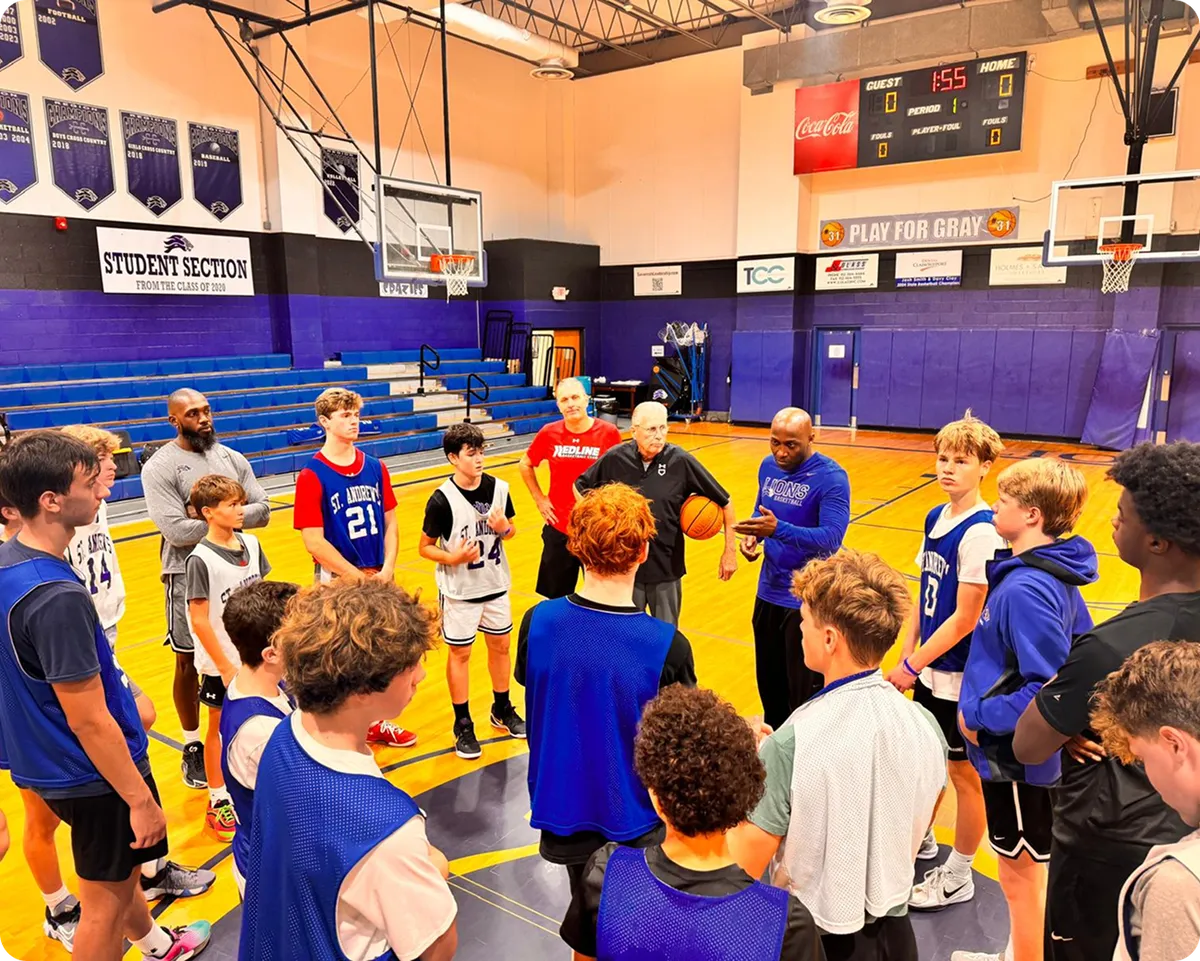
Man-to-Man Defense Principles Every Program Must Teach
Defense is often the difference between good teams and great teams. While offensive skills may attract attention, strong defensive fundamentals build disciplined players and winning programs. One of the most effective defensive systems in basketball is man-to-man defense, which emphasizes individual responsibility, teamwork, and communication. For any successful defensive camp basketball program, teaching strong man-to-man defensive habits is essential.
At Gibbons Academy, defensive development is a core part of player training. By focusing on proven man-to-man principles, athletes learn how to read the game, stay disciplined, and become smarter defenders on and off the ball. Whether you are a beginner or an advanced athlete, mastering these defensive fundamentals creates a foundation for long-term success.
Why Man-to-Man Defense Matters
Man-to-man defense teaches accountability. Each player is responsible for guarding an opponent while working within a team structure. Unlike zone defenses that rely heavily on positioning, man-to-man systems build:
Strong footwork
Individual defensive awareness
Communication skills
Conditioning and effort
Programs that prioritize man-to-man defense often see improved team chemistry because players must trust each other to rotate, help, and recover effectively.
A well-structured defensive camp basketball environment allows athletes to learn these skills through repetition and real-game scenarios.
Core Man-to-Man Principles Every Player Must Learn
1. Defensive Stance and Balance
Everything starts with proper stance. Players must maintain:
Low hips
Active hands
Balanced feet
Eyes focused on the opponent’s midsection
A strong defensive stance allows athletes to react quickly to offensive moves. Coaches at Gibbons Academy emphasize stance drills early in training because it forms the base for all defensive movement.
2. On-Ball Defense Techniques
On-ball defense focuses on stopping the player with the ball. Key elements include:
Staying between the opponent and the basket
Maintaining appropriate distance
Using lateral slides instead of crossing feet
Forcing offensive players toward help defenders
A quality defensive camp basketball program helps players understand angles and positioning rather than relying solely on speed or athleticism.
3. Off-Ball Positioning
Great defenders are effective even when their opponent doesn’t have the ball. Off-ball defense requires players to maintain awareness of:
The ball
Their assigned player
The basket
This is often called the “help-side” concept. Proper positioning prevents easy cuts and drives while allowing quick defensive rotations.
At Gibbons Academy, athletes practice reading spacing and anticipating passes — critical skills tied directly to strong man-to-man principles.
4. Communication and Team Awareness
Communication is the backbone of any successful defense. Players must:
Call out screens
Signal switches
Alert teammates to cutters
Encourage one another
Young athletes sometimes underestimate how much talking improves defensive success. Training within a structured defensive camp basketball environment reinforces communication as a daily habit.
5. Help Defense and Recovery
Even the best defenders get beaten occasionally. What separates strong defensive teams is their ability to provide help defense.
Key concepts include:
Helping early but recovering quickly
Rotating to cover open players
Trusting teammates to rotate behind you
Learning how and when to help is one of the most advanced aspects of man-to-man defense, but it dramatically improves team performance.
6. Closeouts and Contesting Shots
Closeouts occur when a defender moves toward an offensive player receiving the ball. Proper technique includes:
Sprinting toward the shooter
Slowing down before reaching them
Maintaining balance to prevent drives
Keeping hands active without fouling
This skill is emphasized heavily in competitive training sessions at Gibbons Academy because it directly impacts shooting percentages.
7. Defensive Rebounding Responsibilities
Defense doesn’t end with a missed shot. Rebounding is a critical part of completing a defensive possession.
Players must learn to:
Box out opponents
Track the ball’s trajectory
Secure rebounds with strong hands
Programs focused on man-to-man principles teach rebounding as a team effort rather than an individual task.
How Defensive Camps Improve Player Development
Participating in a specialized defensive camp basketball program accelerates growth because athletes receive focused instruction that is often overlooked during regular team practices.
Benefits include:
Intensive repetition of defensive drills
Game-like scenarios for decision-making
Personalized coaching feedback
Improved conditioning and discipline
At Gibbons Academy, players work through structured progressions designed to build confidence and defensive instincts over time.
Common Mistakes Young Defenders Make
Many athletes struggle defensively because of avoidable habits. Some common mistakes include:
Standing too upright
Watching the ball instead of both ball and player
Reaching instead of moving feet
Lack of communication
Correcting these issues early ensures players develop strong fundamentals that translate to higher levels of competition.
Building a Defensive Mindset
Great defense starts with attitude. Coaches should encourage players to view defense as an opportunity rather than a chore.
A strong defensive mindset includes:
Pride in stopping opponents
Hustle and effort on every play
Resilience after mistakes
Focus on team success over individual stats
Training at Gibbons Academy emphasizes mental toughness alongside physical skills, helping athletes understand that defense wins games.
Integrating Man-to-Man Defense Into Team Systems
While individual skills are important, successful programs integrate defensive concepts into team strategies. Coaches can:
Use small-sided games to teach rotations
Practice situational defense
Analyze game film for positioning improvements
By reinforcing man-to-man principles consistently, teams create a defensive identity that leads to long-term success.
Why Choose Gibbons Academy for Defensive Training
Not all training environments provide the same level of defensive development. Gibbons Academy focuses on:
Structured teaching methods
Experienced coaching staff
Emphasis on fundamentals and decision-making
Competitive yet supportive training atmosphere
Athletes searching for a high-quality defensive camp basketball experience will find programs designed to improve both individual performance and team awareness.
Final Thoughts
Man-to-man defense remains one of the most effective ways to develop disciplined, intelligent basketball players. By focusing on core skills such as stance, communication, positioning, and teamwork, programs can build athletes who impact games even when they aren’t scoring.
For players looking to elevate their defensive skills, training in a structured environment like Gibbons Academy provides the tools needed to master essential man-to-man principles. With consistent practice and the right guidance, athletes can transform defense into a true competitive advantage.
