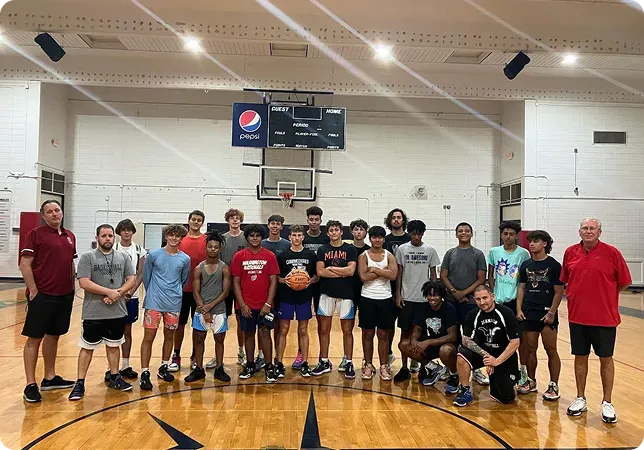
10 Basketball Defense Techniques Every Serious Player Needs to Master
Winning basketball has always been more about stopping the opponent than simply putting points on the board. The strongest programs at every level share one common thread: they build their identity around consistent, intelligent defense techniques. From middle school gyms to Division I courts, the teams that communicate early, move their feet correctly, and read the play before it develops are the ones that close out games. This list breaks down ten foundational defense techniques that coaches and players at every level can apply immediately and build on across a full season.
1. Build an Unbreakable Defensive Stance
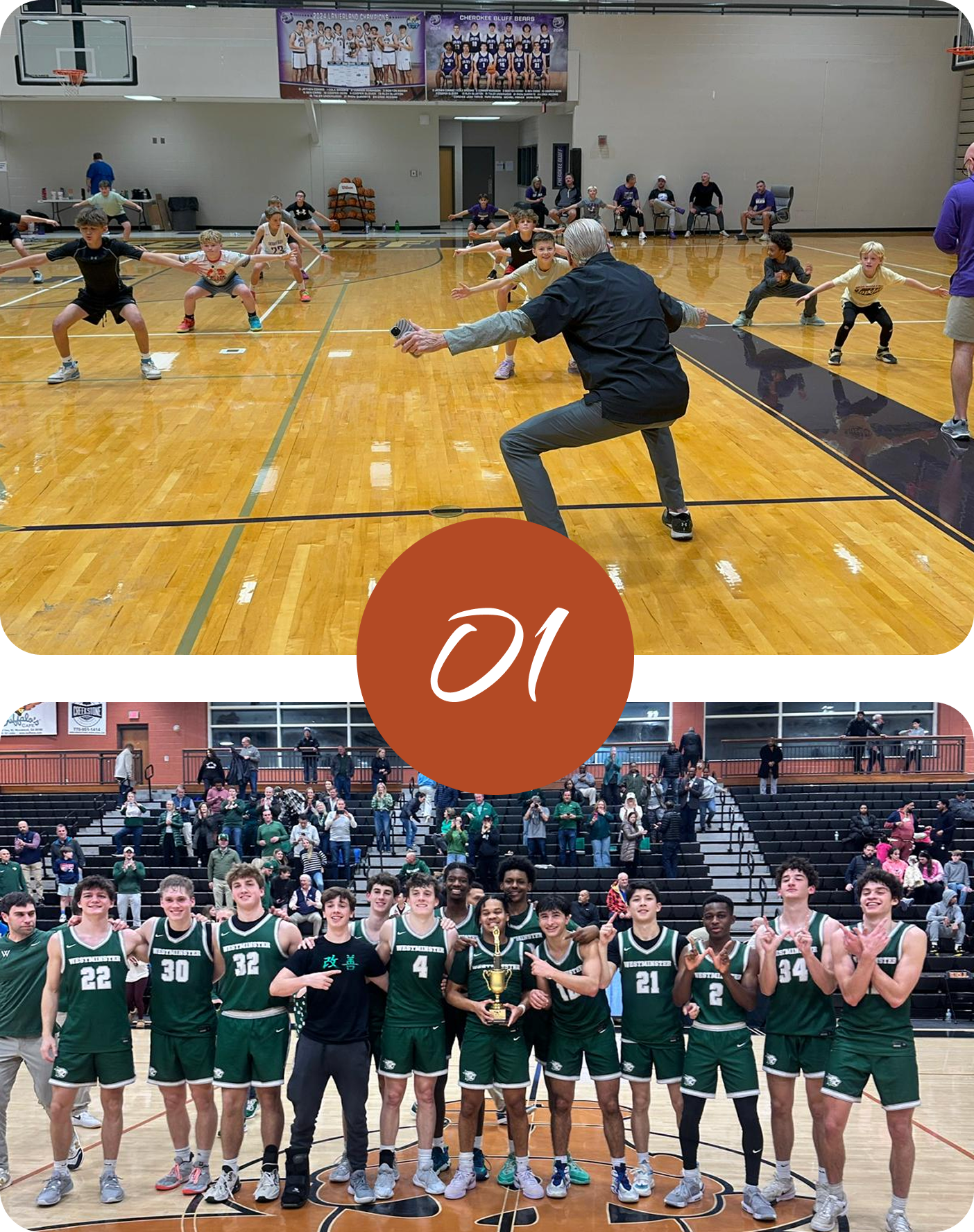
A proper defensive stance is the foundation everything else rests on. Feet should sit shoulder-width apart, weight balanced on the balls of the feet, knees bent, and the back angled slightly forward rather than upright. This position allows for immediate lateral movement and prevents the offense from reading a defender's next step. Players who skip this fundamental end up lunging and reaching, which opens driving lanes and draws unnecessary fouls. Drilling the stance until it becomes automatic separates serious defenders from players who only go hard when the coach is watching.
2. Build Speed Through Lateral Quickness Drills
Lateral quickness drills are among the most undervalued parts of any defensive training routine. Ladder drills, defensive slides, and cone shuffles build the hip and ankle strength that powers lateral movement without crossing the feet. A defender who can stay in front of a ball handler through three consecutive dribble moves creates more stops than a player who relies on raw athleticism alone. Building a weekly routine around these drills produces measurable results within a few weeks and pays off every time a quick guard tries to blow past a close-out.
3. Apply Ball Pressure Defense With Discipline
Ball pressure defense is not about gambling for steals. It is about taking away the ball handler's vision, disrupting timing, and forcing decisions faster than the offense wants to make them. A hand in the passing lane, active feet staying low, and a disciplined approach to staying in front rather than reaching separates high-level pressure from reckless guarding. Coaches who incorporate this skill into personal training sessions report that it translates directly into turnovers and tempo control at game speed when reinforced through consistent repetition.
4. Develop Rock-Solid Defensive Footwork
Defensive footwork determines whether a player is actually guarding someone or just standing near them. The drop step, the swing step, and the retreat step all serve different situations, and knowing which to use in real time requires deliberate repetition over weeks and months. Players who shuffle without crossing their feet, move on the catch rather than the dribble, and close out under control instead of flying past their man become the most valuable defenders on any roster. Stronger defensive footwork also reduces reaching fouls because proper positioning removes the temptation to grab.
5. Sharpen Anticipation Skills in Basketball
Anticipation skills in basketball separate reactive defenders from proactive ones. A reactive defender responds after the move already happens. A proactive defender reads the offensive player's shoulder, eyes, and hip angle to predict where the ball is going before it leaves the hand. Studying opponents through film, learning offensive tendencies, and developing pattern recognition through live repetition builds this skill across a season. The Defensive Mastery Camp at gibbons academy puts heavy emphasis on decision-making under pressure because anticipation without proper execution is still just a guess at game speed.
6. Cut Reaction Time Through Purposeful Training
Reaction time defense is not just raw speed. It is the gap between seeing a cue and making the correct response. Specific training methods sharpen it: shell drill variations, hands-behind-the-back closeouts, and live ball-screen reads that force instant decisions without time to overthink. Players who train reaction time under fatigue gain a real edge in crunch-time situations when legs are tired and the margin for error shrinks to nothing. The goal is to build responses that happen at a trained reflex level before conscious thought can second-guess the right move.
7. Communicate Constantly From Tip-Off to the Final Buzzer
Silent defense is losing defense. Teams that call out screens, signal ball location, announce switches, and confirm rotations give every player on the court information they cannot always see themselves. Communication is especially important during transition situations where defensive positions are not yet set and help-side coverage has not materialized. The teams that talk loudest are usually the ones giving up the fewest points per game, and that is no coincidence. Communication is a skill that must be practiced in every drill and scrimmage, not saved as a reminder for game night.
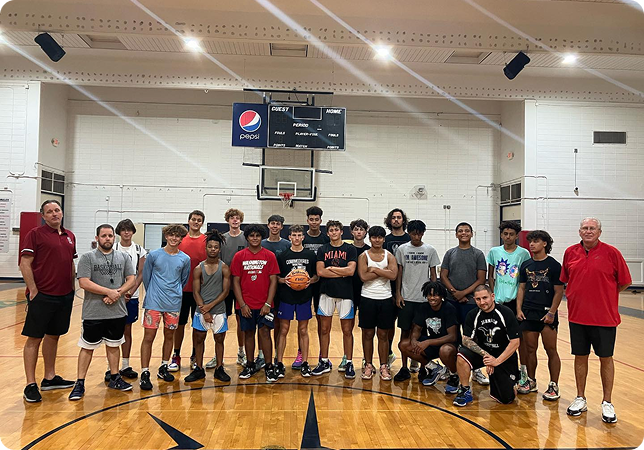
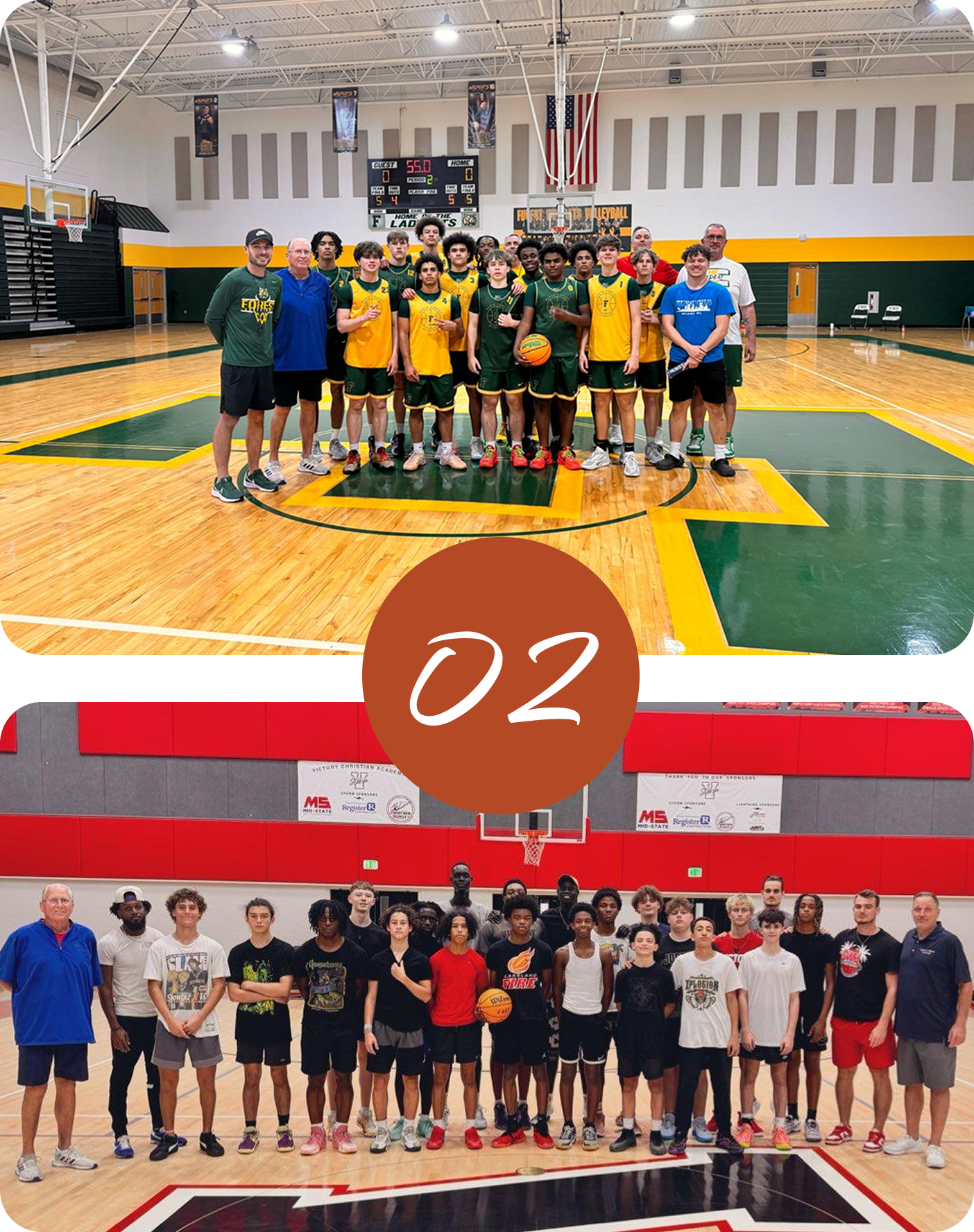
Training Programs at Gibbons Academy
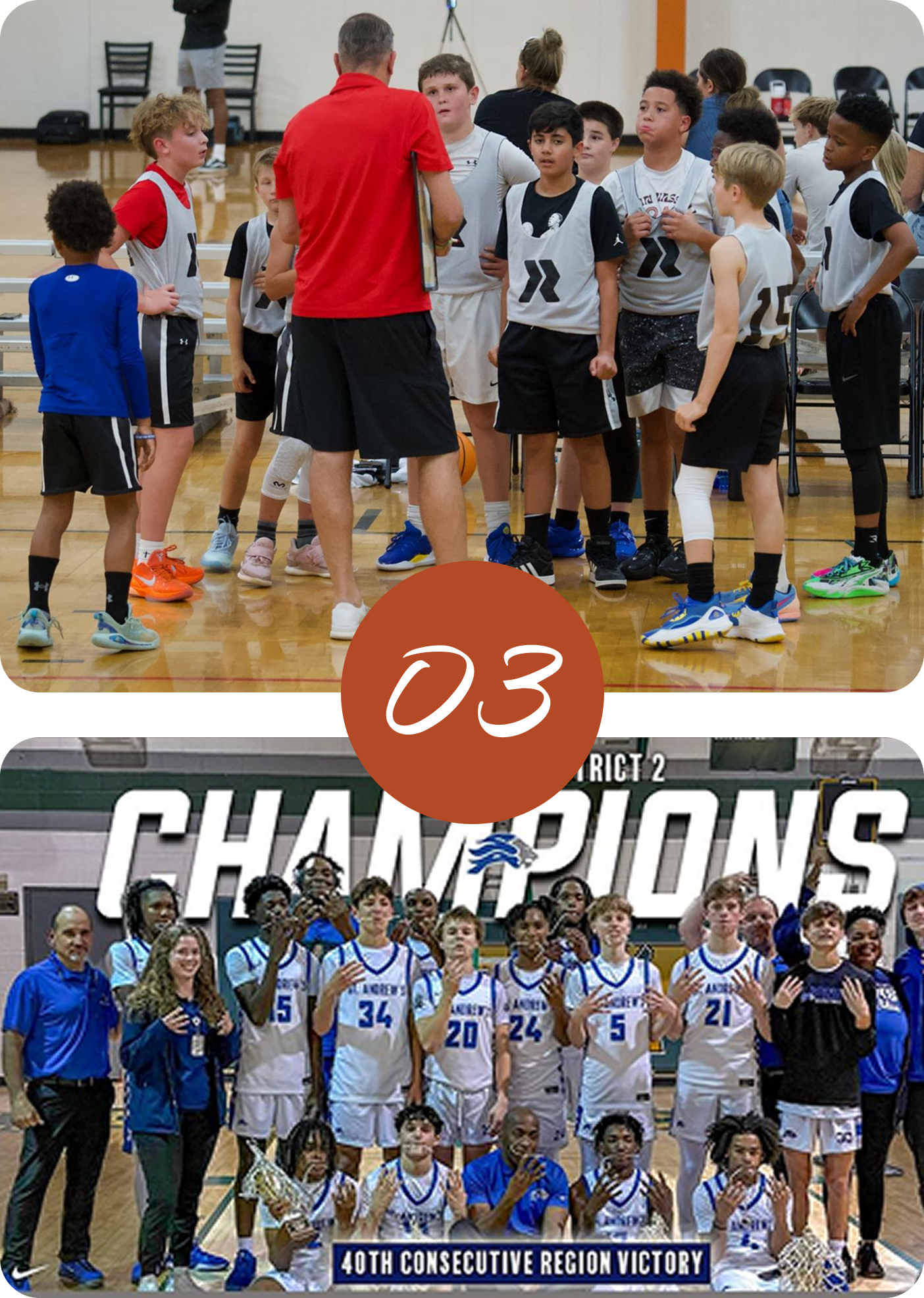
Middle School · High School · College Level
8. Execute Man-to-Man Defense With Full-Court Discipline
Man-to-man defense demands simultaneous accountability from every player on the court at the same time. Full-court sets apply ball pressure from the inbound, while half-court sets require precise positioning relative to both the ball and the assigned man. Teams working through group training sessions that drill both variants develop the spatial awareness needed to recognize when to help, when to recover, and when to switch without disrupting coverage. This system only functions when every player takes personal ownership of their assignment from opening tip to the final buzzer.
9. Master Transition Defense Before the Break Develops
Transition defense is where most points against accumulate, and it is almost entirely a discipline and positioning problem rather than an athleticism one. The first step after a missed shot or turnover determines whether the offense can even attempt a fast break. Getting back ahead of the ball, identifying the most dangerous cutter, and protecting the paint before the three-point line are the priorities in that order. Programs that drill transition defense as a daily habit stop significantly more fast-break opportunities than programs that address it only during film sessions.
10. Build Elite Defensive Habits That Last All Season
Elite defensive habits require daily reinforcement in practice, film sessions, and scrimmages until they stop feeling like habits and start feeling like identity. The best defenders in every program are rarely the fastest athletes on the floor. They are the most disciplined ones who sprint back on every possession, take charges rather than avoid contact, and guard the ball with the same energy in the first minute as the last. Players who want to lock these habits in at a deeper level benefit from consistent coaching strategy and accountability sessions that bridge the gap between practice intensity and game performance.
Conclusion
Defense wins championships at every level, but building the kind of defense that holds up under real pressure takes deliberate, systematic training over time. The ten techniques outlined here represent the core of what separates programs that consistently compete from programs that consistently struggle. Improving lateral quickness, sharpening anticipation skills in basketball, locking down ball pressure defense, and installing elite defensive habits do not happen through casual practice. They happen when players and coaches commit to a proven system and hold each other accountable every single day. Teams and players who are ready to build that identity can start with gibbons academy, where Coach Jay Gibbons and the G&G team have spent 18-plus years installing exactly this kind of defensive foundation at middle school, high school, and college levels.
