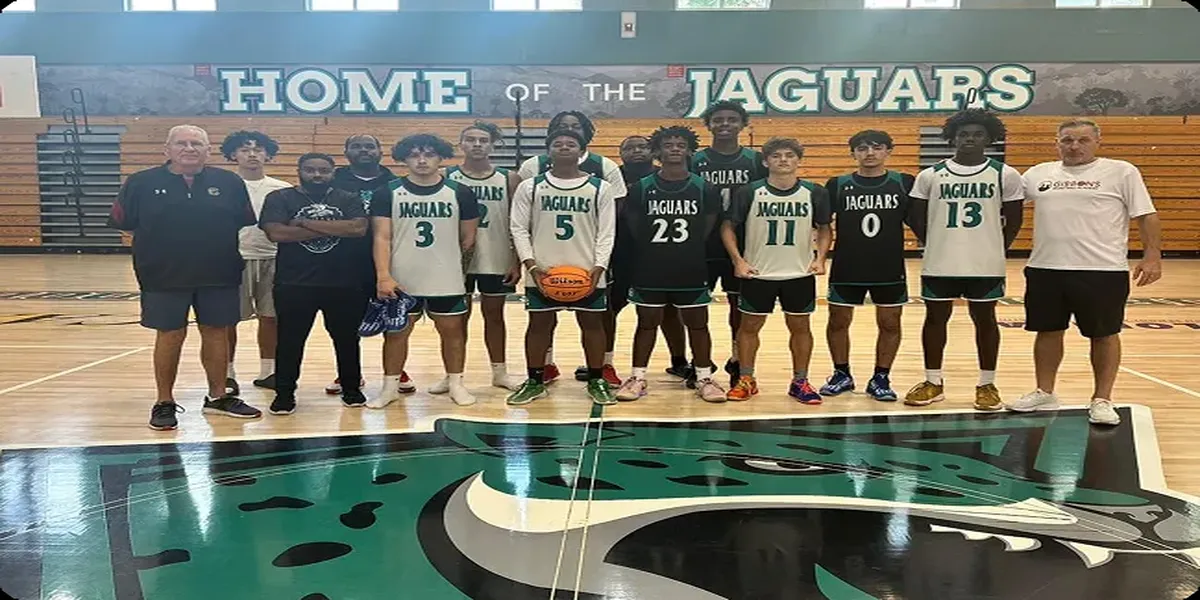
Basketball Training for Players Who Want to Reach the Next Level
Every gym has a player who shows up early, gets shots up, and still can't figure out why they aren't getting more minutes. Usually it isn't effort. Its direction. Good basketball training gives that effort a target, so the hours you put in actually show up on the court when it counts.
Whether you're a middle schooler trying to make varsity or a high school junior hoping to play in college, the jump to the next level asks more of you than talent. It asks for habits, awareness, and a plan. This guide breaks down what that plan should look like and how to start building it this week.
Ready to Give Your Training More Direction?
Explore Gibbons & Gibbons Academy training options designed to turn focused work into better game performance.
Explore Training ProgramsWhat Basketball Training Looks Like at the Next Level
Most young players train the way they see highlights: deep threes, crossovers, dunks. Coaches at higher levels watch something else. They watch how you sprint back on defense, how quickly you read a screen, and whether you talk on the floor.
Skill Work vs. Game Work
Skill work is reps in isolation. Form shooting, ball handling drills, finishing at the rim. You need it, and lots of it. Game work is applying those skills against movement, decisions, and pressure. A player who makes 90 percent of uncontested jumpers in practice but freezes when a closeout comes hasn't finished the job.
The best programs blend both. They break a skill down, rebuild it, and then put it right back into live situations so it holds up when the game speeds up.
The Mindset Shift
Reaching the next level starts with accepting that you're never "done" with fundamentals. If you think the basics are beneath you, the next level will remind you they aren't.
The Building Blocks of a Serious Player Development Plan
A real player development plan isn't a random list of drills pulled from social media. It's a structure that covers every part of your game and changes as you improve.
Footwork and Stance
Everything in basketball starts from the floor up. Your shot, your first step, your ability to stay in front of a ball handler, all of it depends on footwork. Players who keep a low, balanced stance react faster and recover quicker. Spend time on jump stops, pivots, closeouts, and slides before you worry about anything flashy.
Ball Skills Under Pressure
Dribbling around cones builds comfort. Dribbling against a defender builds confidence. Once you can handle the ball cleanly, add pressure: a partner reaching in, a time limit, or a decision you have to make on the move. The goal is control when someone's in your face, not just when the gym is empty.
Basketball IQ
Smart players look faster than they are because they know what's coming. IQ is a skill, and you can train it.
Film Study
Watch your own games, not just the plays you made. Look for missed rotations, late help, and possessions where you stood still. Ten honest minutes of film can teach you more than an hour of drills.
Reading Actions
Learn to recognize the common actions you'll face: pick and roll, dribble hand-offs, off-ball screens. When you can read them early, you stop guessing and start reacting with purpose.
Strength and Conditioning
The game gets more physical as you climb. Bodies get bigger and possessions get longer. A simple routine focused on leg strength, core stability, and conditioning helps you finish through contact and still have legs in the fourth quarter.
One-on-One vs. Group Basketball Training
Both formats have a place, and the strongest development plans use each one for what it does best.
When Individual Work Makes Sense
If you have a specific weakness, like a slow release or a habit of turning your back on drives, focused attention fixes it faster. In one-on-one personal training sessions , a coach can watch every rep, catch small mistakes, and adjust on the spot. That kind of feedback is hard to get in a crowded practice.
When the Team Setting Matters More
Basketball is played five on five. You can't learn to communicate, rotate, or trust a teammate by yourself. Team-based training sessions put you in real situations with real teammates, so the timing and spacing you practice match what happens in games. They also build accountability, because everyone sees who's locked in and who isn't.
Choose the Support Your Game Needs
Individual development, team work, strategy, and next-level guidance all play different roles in a complete basketball plan.
One-on-One Personal Training
Focused coaching for individual skill refinement, position-specific work, conditioning, and player development.
Learn About Personal TrainingGroup & Team Training
Competitive training designed to improve communication, defensive execution, decision-making, and team performance.
Explore Group TrainingGame Planning & Scouting
Film-based strategy support built around tendencies, adjustments, and smarter preparation for competition.
Explore Game PlanningRecruiting Support
Guidance for athletes, families, and coaches navigating next-level opportunities and the recruiting process.
Explore Recruiting SupportWhy Defense Separates Players at Higher Levels
Here's something most players don't hear enough: defense gets you on the floor. A coach might live with a missed shot. A blown rotation that gives up an easy layup is a different story.
Defense Is a Habit, Not a Mood
Plenty of players defend hard when they feel like it. Next-level players defend hard every single possession. That consistency comes from training defense as seriously as you train your jumper. At Gibbons & Gibbons Academy , the focus on team defense comes from years of coaching at the college level and working with school programs across the country, and the core lesson never changes: discipline and communication win games.
What to Work On
Focus on these areas to become a defender coaches trust:
- Transition defense: sprint back, find the ball, and stop it before it gets downhill.
- On-ball defense: stay low, use your feet instead of reaching, and force the ball handler to one side.
- Help and rotation: know where you belong when the ball moves, and get there before the pass arrives.
- Communication: call out screens, switches, and cutters loudly and early.
Smart teams also prepare for specific opponents. Learning how scouting and game planning sessions break down an opponent's tendencies will change the way you think about every possession, on both ends.
How to Build a Weekly Basketball Training Routine
Consistency beats intensity. A balanced week keeps you improving without burning you out. Here's a simple framework you can adjust around your school and team schedule.
Two Days of Skill Focus
Pick one or two skills per session and go deep. Shooting form one day, finishing and footwork the next. Quality reps matter more than raw volume.
Two Days of Live Play
Pickup games, small-sided games, or team practice. Apply what you worked on, and pay attention to what breaks down under pressure.
Two Days of Strength and Conditioning
Short, focused workouts. Squats, lunges, planks, and sprint intervals go a long way.
One Day of Recovery
Stretch, sleep, eat well, and watch films. Rest is part of the plan, not a break from it.
Track your progress in a simple notebook or phone app. Over a few months, you'll see patterns that tell you exactly where to focus next.
Turning Development Into Opportunity
Getting better is step one. Getting seen is step two. College coaches can't recruit a player they've never heard of, and talent alone rarely travels without help.
Start by building a highlight reel that shows complete possessions, including defense. Keep your grades strong, because academic eligibility opens doors that athletic ability can't. Reach out to programs that fit your level honestly, not just the ones on TV. If the process feels overwhelming, dedicated recruiting support can help you put together a plan and connect with the right coaches.
It also helps to learn from people who have already walked the path. Reading about a coaching staff's background and philosophy gives you a sense of the standards college programs expect long before you get there.
The next level isn't a single leap. It's a long stack of good days. Pick one area from this guide, build it into your week, and hold yourself to it. Six months from now, you'll be a different player, and the people watching will notice.
FAQs
How many hours a week should I spend on basketball training?
Most high school players do well with 6 to 10 hours of focused work outside of team practice. That includes skill sessions, strength work, and live play. Quality matters more than total hours, so keep sessions purposeful and leave time to recover.
At what age should a player start serious training?
Players can start building fundamentals in elementary school, but structured, goal-based training usually makes the most sense around middle school. That's when footwork, defensive habits, and game understanding start paying off quickly. The earlier good habits form, the fewer bad ones you'll need to fix later.
Is one-on-one training better than group sessions?
Neither is better across the board. One-on-one sessions are ideal for fixing specific weaknesses, while group sessions build communication, timing, and team defense. Most players improve fastest with a mix of both.
How important is defense for getting recruited?
Very important. College coaches want players they can trust on the floor, and defense is often the deciding factor between two similar scorers. Showing effort, positioning, and communication on film can set you apart.
Can I improve my basketball IQ without playing more games?
Yes. Watching films of your own games and of higher-level players teaches you to recognize actions and anticipate plays. Talking through possessions with a coach also speeds up how quickly you read the game.
How long does it take to see real improvement?
Most players notice small changes within four to six weeks of consistent work. Bigger jumps in skill and confidence usually show up over a full offseason. Stick with a plan long enough for the habits to become automatic.
